HR Policies, Processes & Governance in Malaysia
Clear Frameworks. Better Decisions. Stronger HR.
HR Policies & Procedures Malaysia
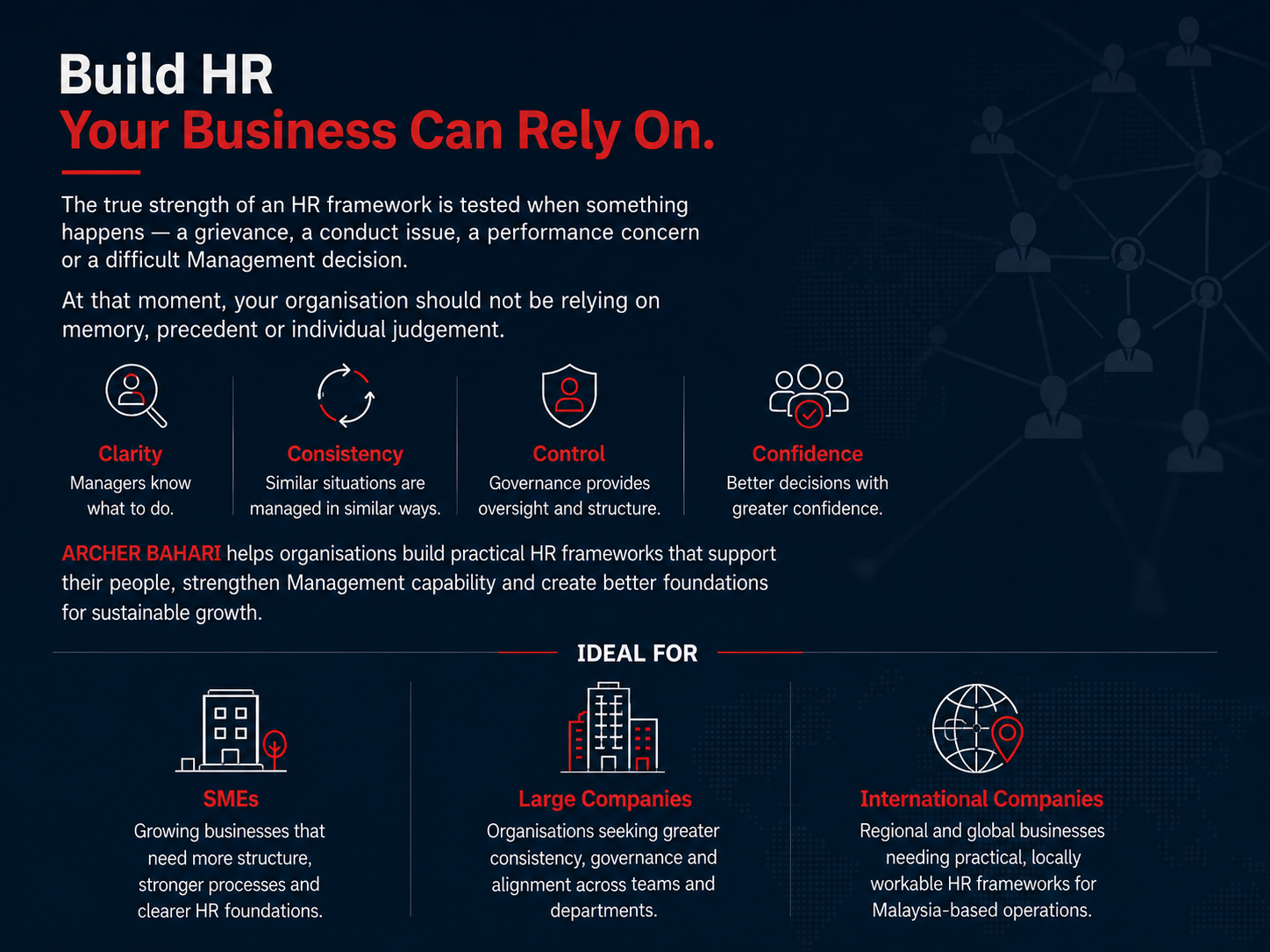
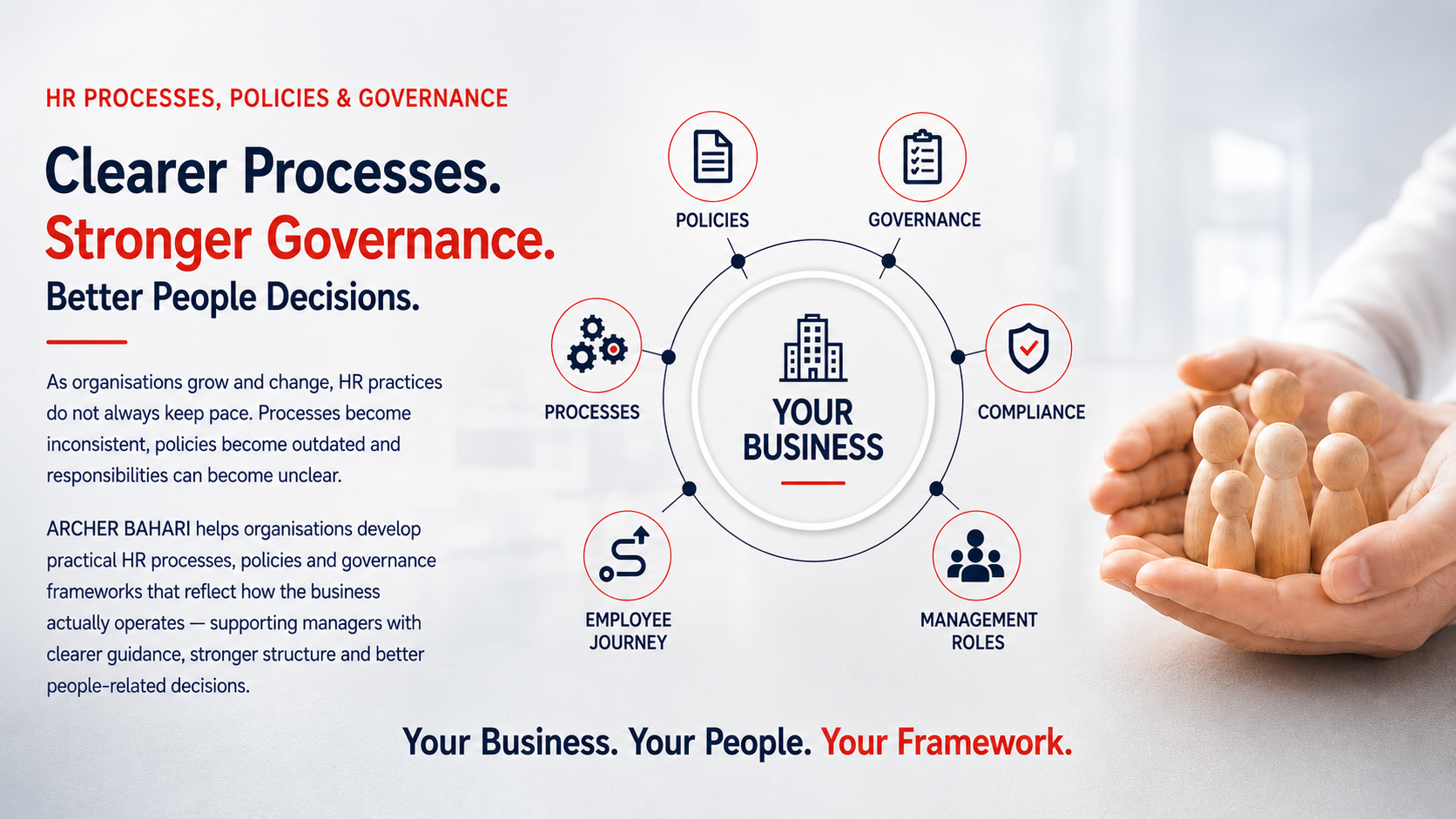
If you are a CEO, Founder, Business Owner or part of a leadership team, ARCHER BAHARI helps you develop and strengthen HR policies, processes and governance frameworks that reflect the way your organisation actually operates. From employee handbooks and workforce policies to management authority, escalation processes, employee relations and HR documentation, we turn HR rules into practical working frameworks.Designed for StartUps, SMEs, established businesses and international organisations operating in Malaysia, our approach creates greater clarity around what should happen, how it should happen and who is responsible for making the decision.
Clear Frameworks. Better Decisions. Stronger HR
Which Process Applies?
Who Has Authority to Decide?
What Needs to Be Documented?
When Should It Be Escalated?
If an Employee Issue Happens Tomorrow, Does Everyone Know What to Do?

Whether it is a grievance, misconduct allegation, performance concern, prolonged absence, resignation or workplace complaint, Management should not have to make up the process as they go.Every people-related issue should immediately raise four fundamental questions: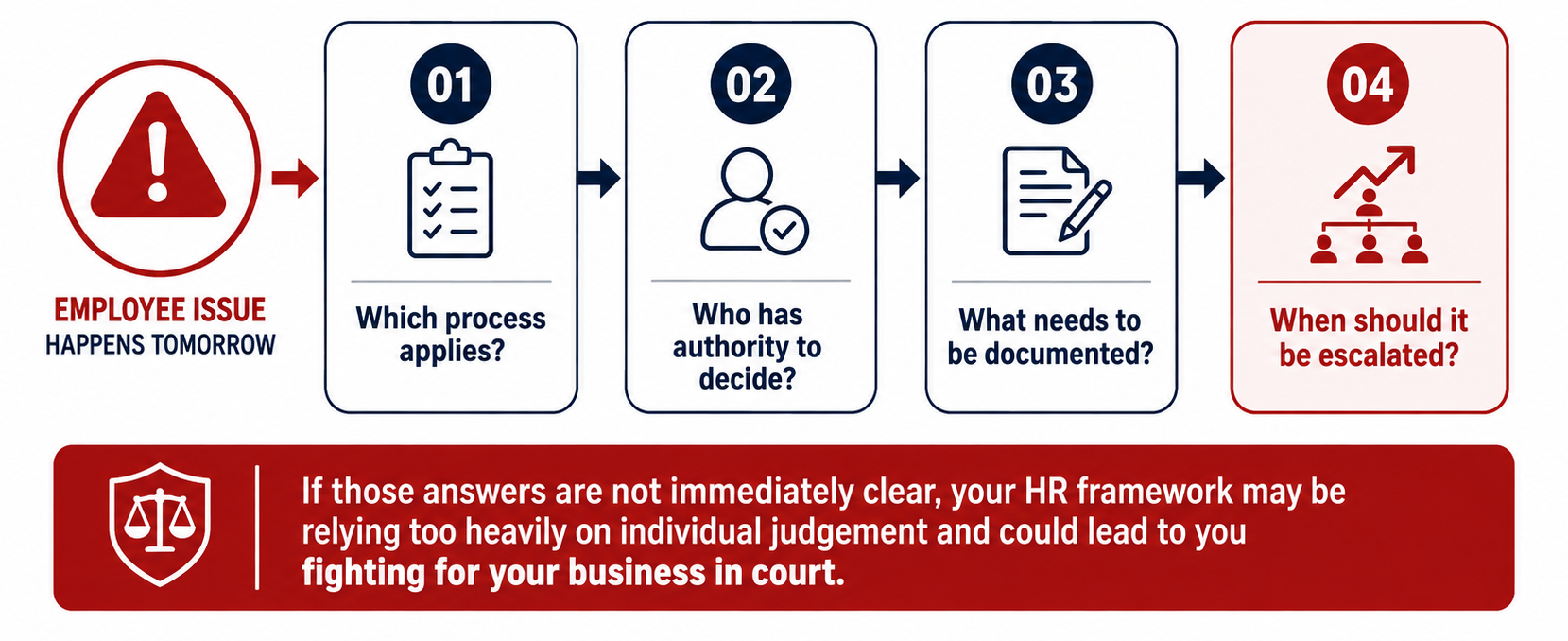
A policy is only one part of an effective HR framework.
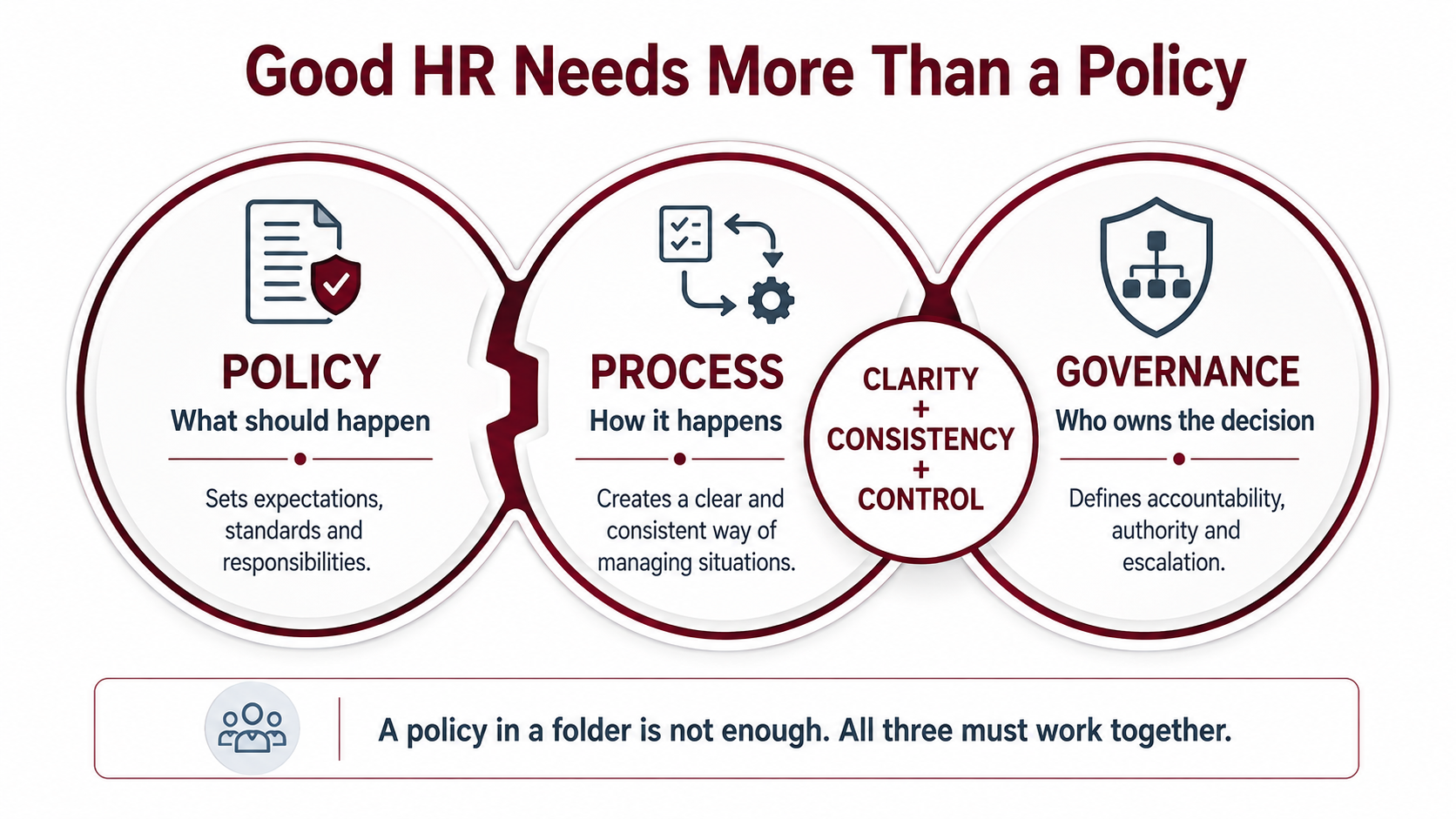
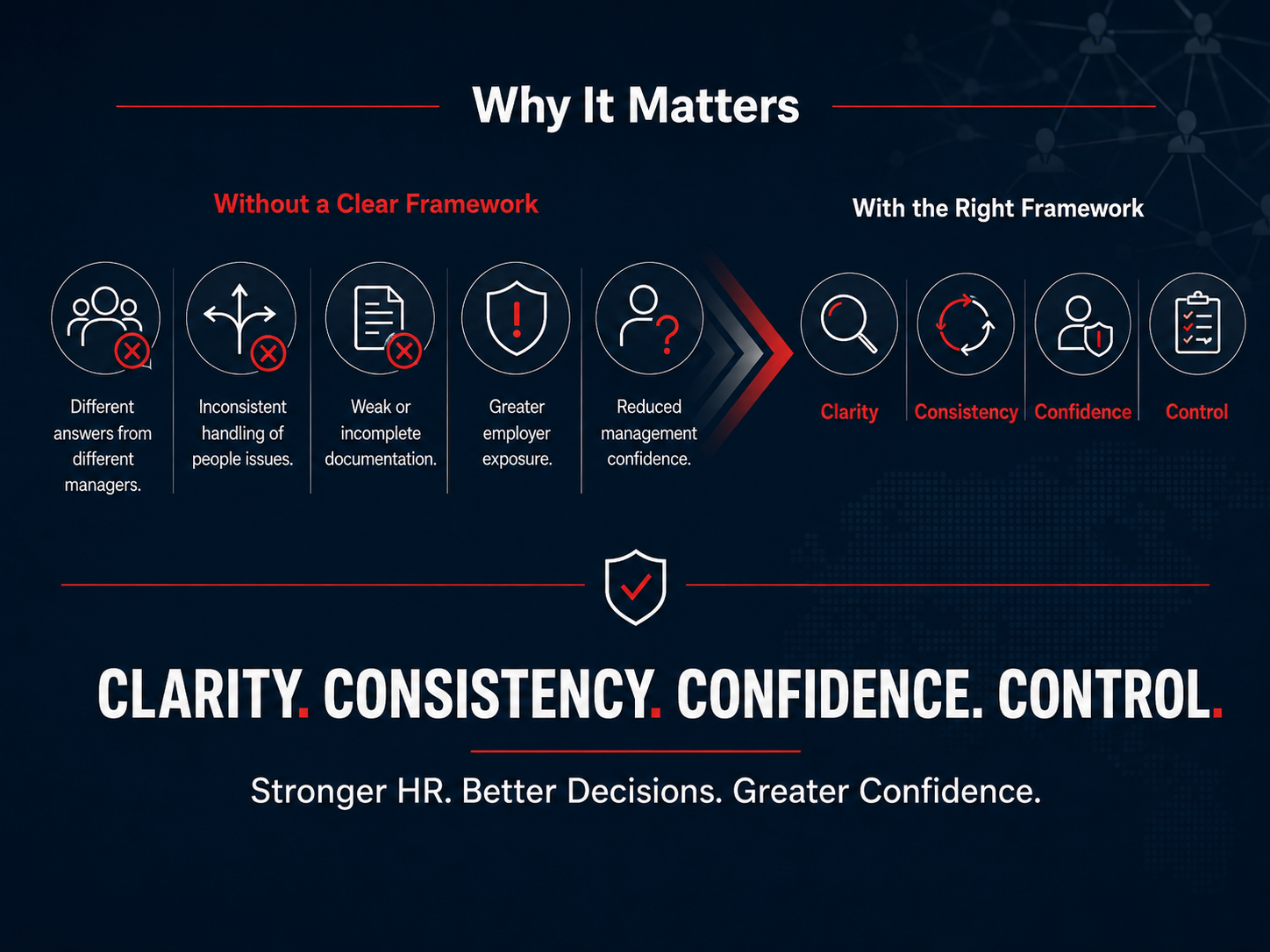
For people-related decisions to be managed properly, Policy, Process and Governance need to work together.
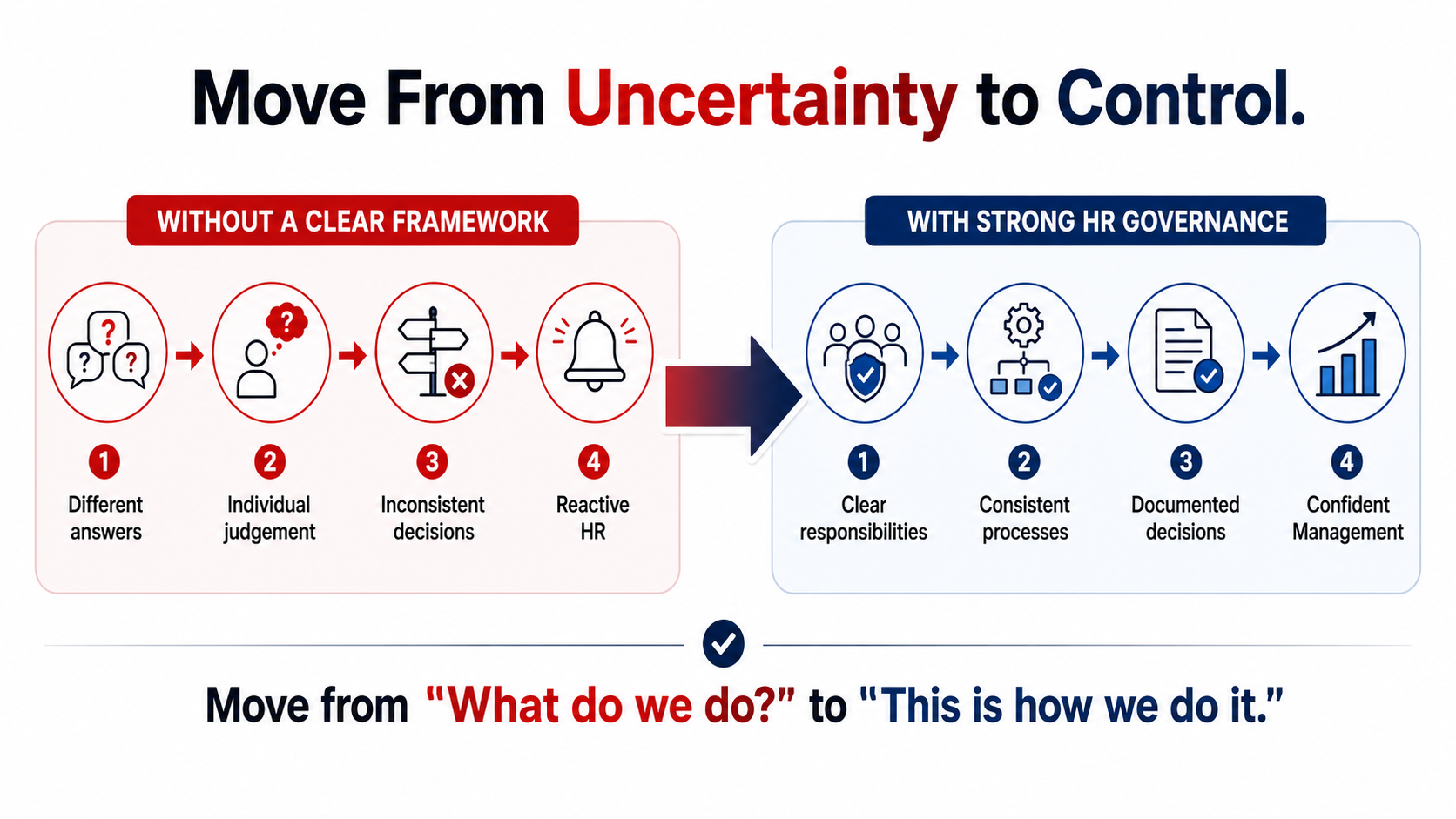
We Build HR Frameworks Around Your Business.
Not generic policies.
Not an off-the-shelf HR manual.
Not paperwork for the sake of paperwork.
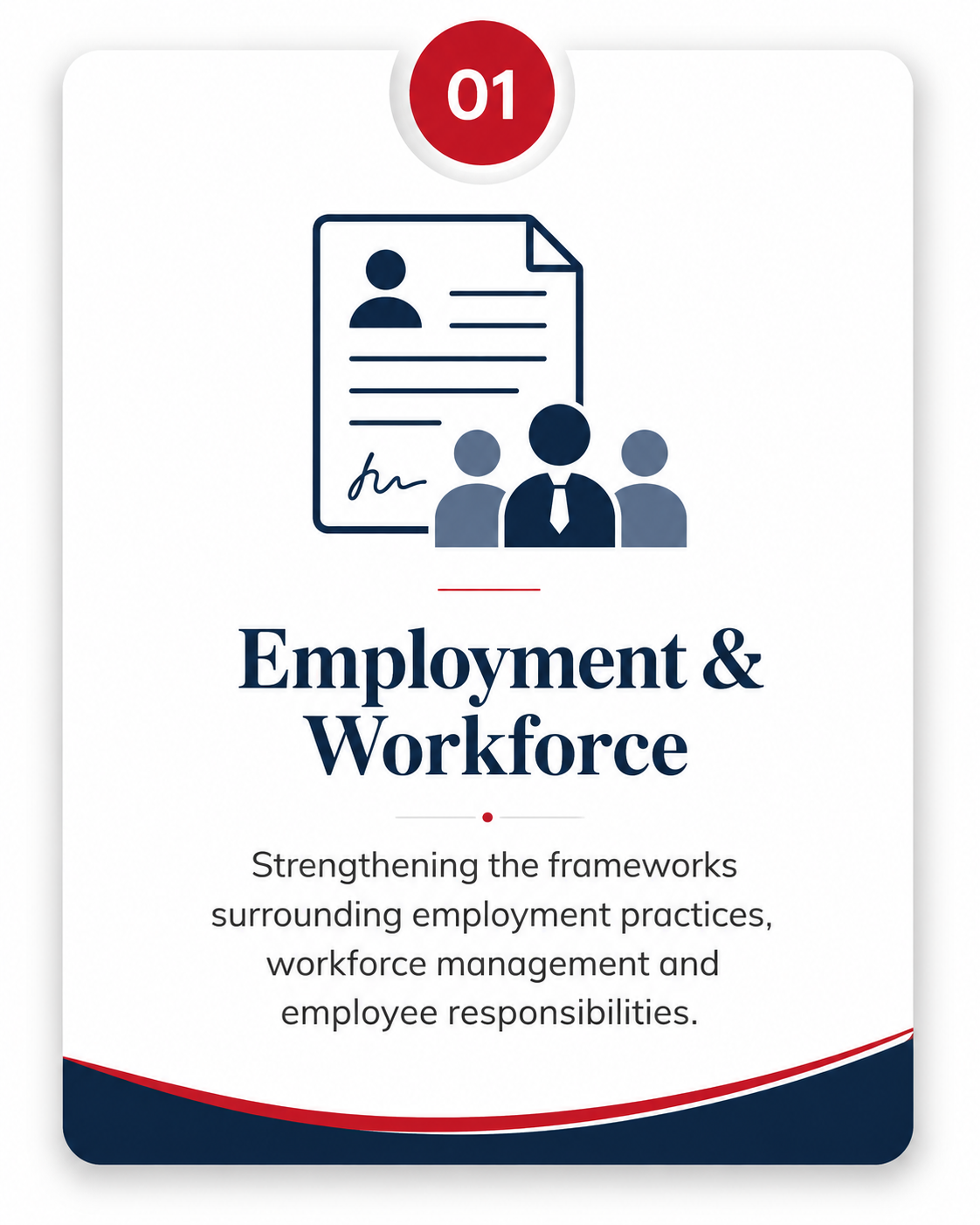
ARCHER BAHARI works with organisations to develop, improve and implement HR processes, policies and governance frameworks that reflect the way the business actually operates.We consider your workforce, organisational structure, management responsibilities, working environment and wider business objectives before recommending the appropriate HR framework.The result is HR infrastructure that is practical enough to use every day and structured enough to support the organisation when difficult people decisions need to be made.What We Help You Strengthen
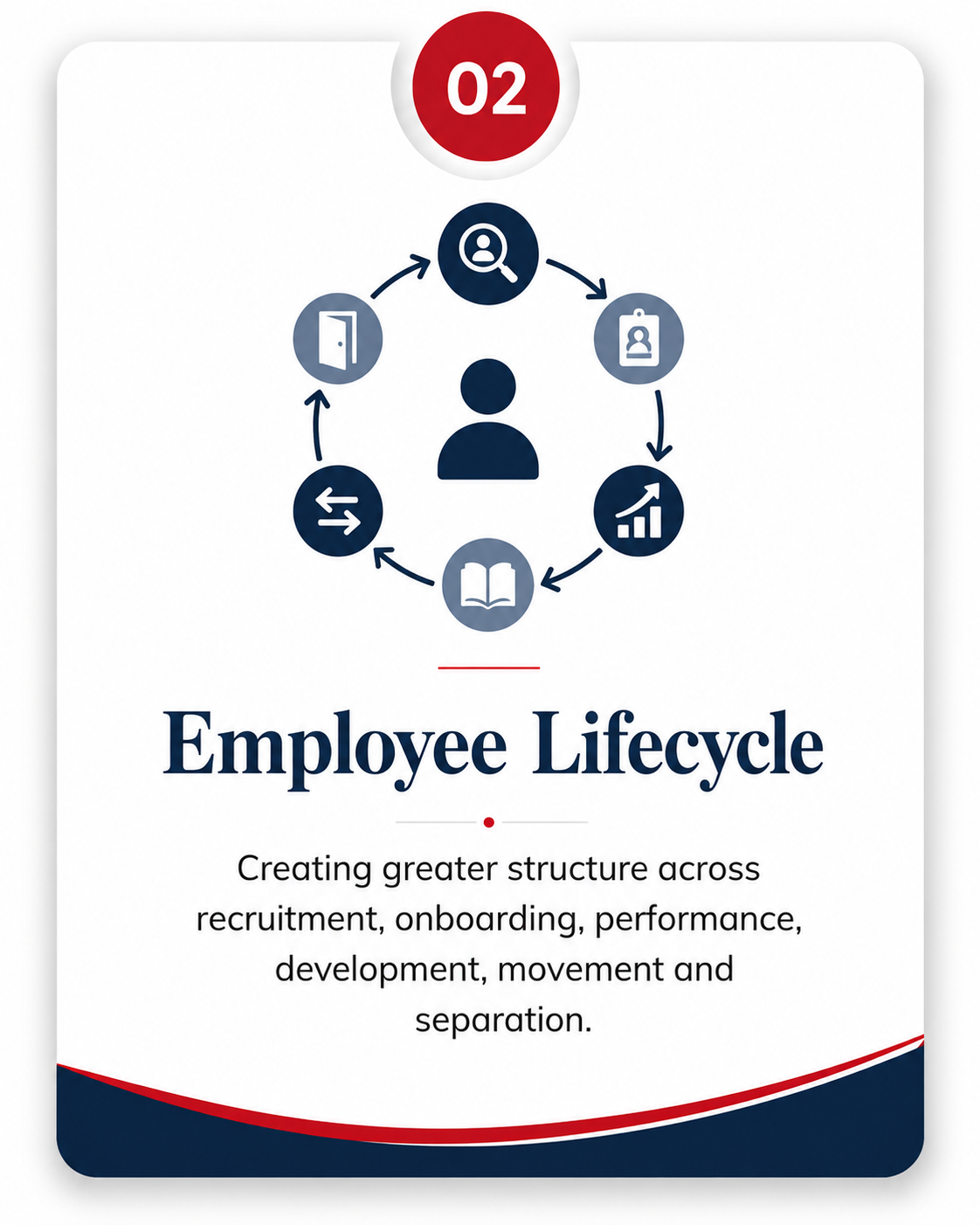
Stronger HR Across the Employee Journey
How ARCHER BAHARI Builds Stronger HR Frameworks
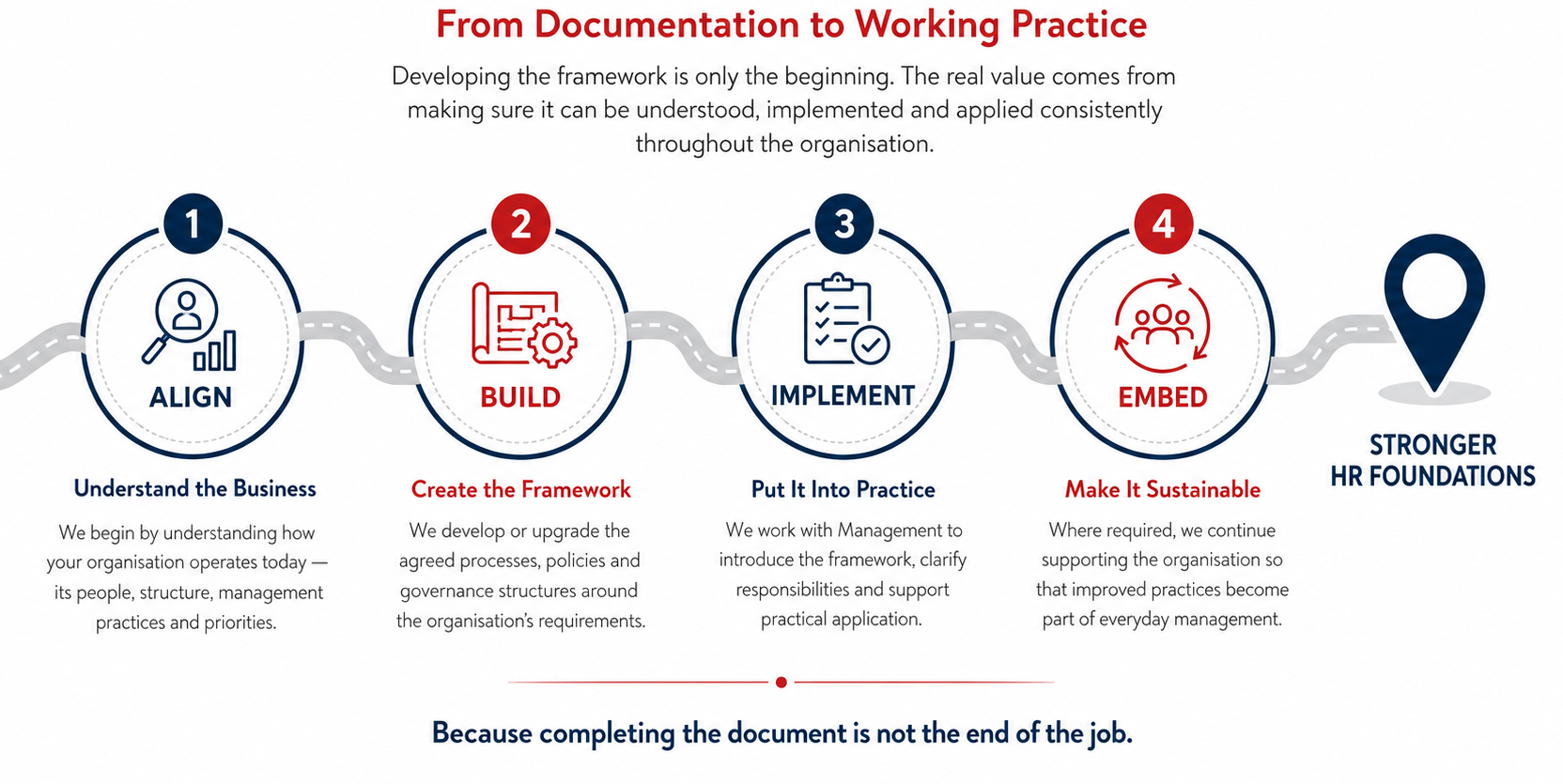
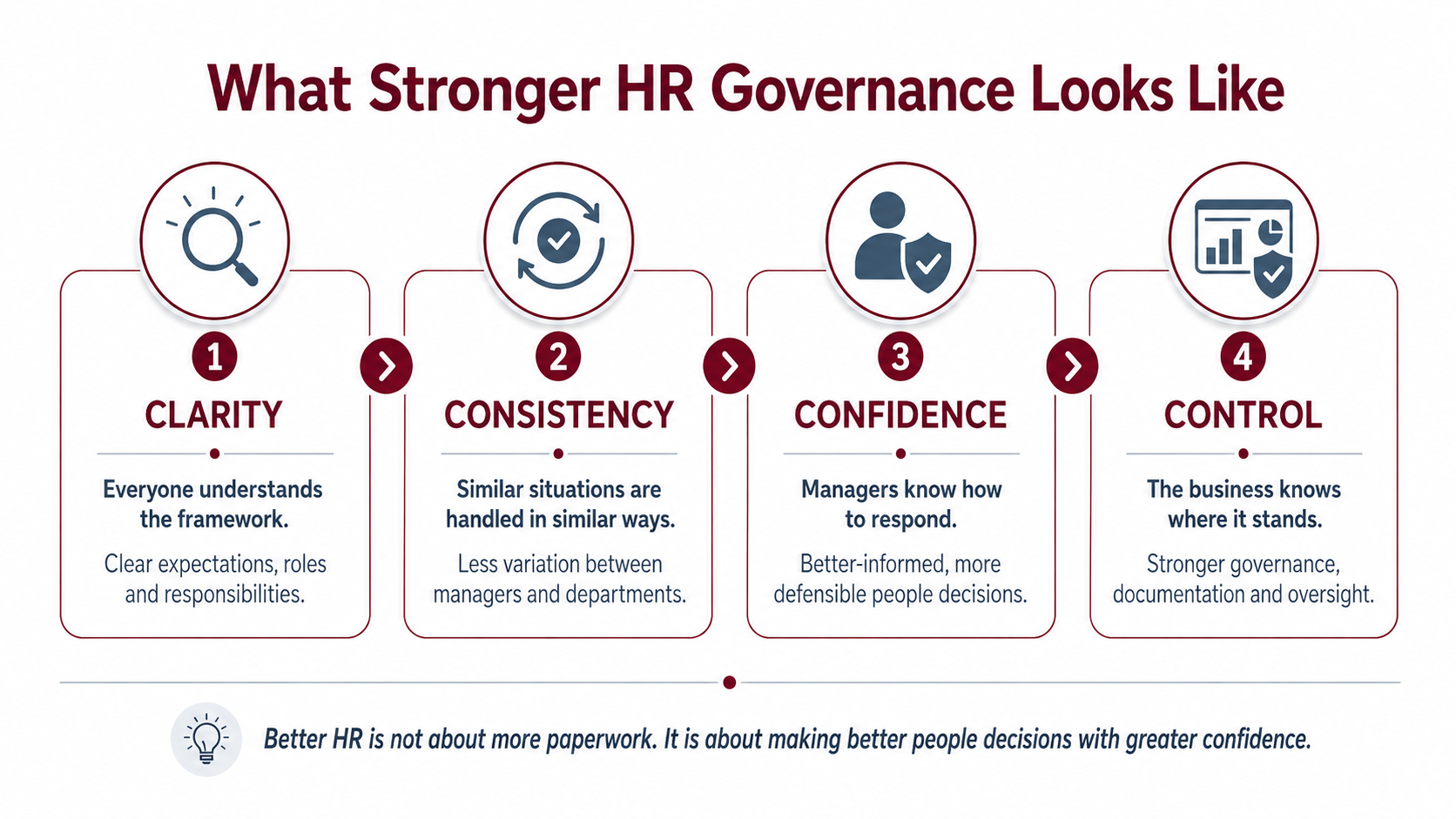
The business Outcome: Clearer, More Consistent HR
Not
Sure
What
Needs
Fixing?
You do not need to know where every weakness sits before speaking with us.Our Employer HR Risk Review provides an independent assessment of your existing HR framework, helping identify potential gaps, inconsistencies and areas requiring attention.From there, we can help you determine what should be prioritised and where stronger processes, policies or governance may be required.IDENTIFY THE GAPS → PRIORITISE THE RISK → STRENGTHEN THE FRAMEWORK